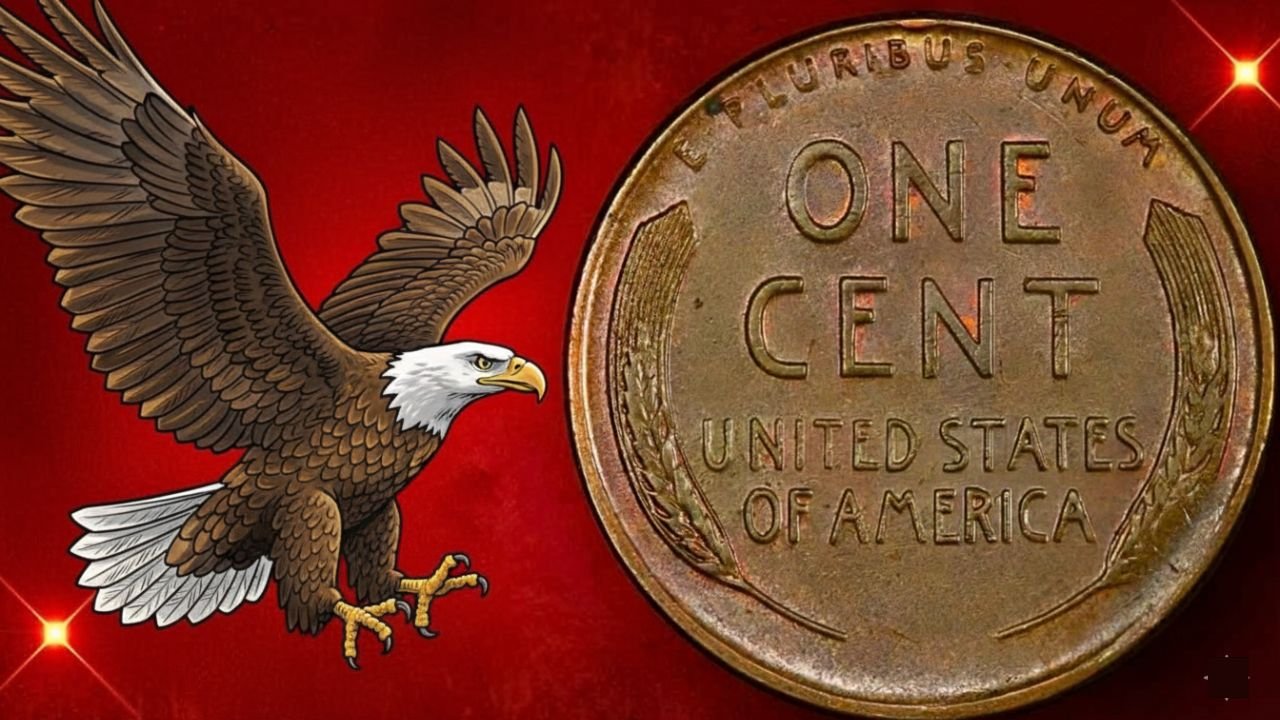
Wheat Penny Price Guide : There is a quiet magic in turning over a coin in your palm, especially one that has passed through countless hands before yours. The Lincoln Wheat Cent, with its familiar stalks of wheat encircling the words “ONE CENT,” is more than spare change; it is a pocket-sized archive of American life from 1909 to 1958. For collectors, it represents an accessible and deeply personal portal into history, art, and the very soul of a nation evolving through peace, war, and economic upheaval. This humble coin invites everyone to pause and consider the stories embedded in its metal.
A Portrait of Progress The Birth of the Lincoln Cent
The introduction of the Lincoln Cent in 1909 was a significant departure from tradition. For the first time on a regular-issue American coin, the stoic profile of a real person—President Abraham Lincoln—replaced the allegorical female figures that had long symbolized liberty. This shift, to honor the centennial of Lincoln’s birth, was both a popular tribute and a subject of debate. The designer, Victor David Brenner, saw his artistic signature “V.D.B.” initially placed prominently on the reverse, only to be removed within the first year due to public controversy over its size. This small drama marked the coin’s entry into a world on the cusp of monumental change, ensuring that every Wheat Cent minted thereafter carried with it the weight of a more personal, humanized national identity.
The Thrill of the Hunt Seeking Rare Dates and Marks
Building a collection of Wheat Cents is a journey of discovery, where common coins coexist with legendary rarities. The mintage from Philadelphia, Denver, and San Francisco mints created variations that today form the backbone of a collector’s pursuit. Certain years, due to lower production or unique circumstances, stand out as prized milestones. The 1909-S V.D.B., from the San Francisco mint, is perhaps the most famous, a low-mintage first-year issue that every collector dreams of finding. Other keys, like the 1914-D or the 1931-S, are scarce treasures that can define a collection. Learning to spot the small mint marks—’S,’ ‘D,’ or none for Philadelphia—transforms a simple penny jar into a potential field of hidden history.

The Story in the Surface Why Condition Is Everything
A Wheat Cent’s tale is told not only by its date but by the life it has lived. The difference between a coin worn smooth by decades of commerce and one preserved with sharp, crisp details is profound in both aesthetics and value. The Sheldon Grading Scale, a meticulous system from 1 to 70, helps narrate this story of preservation. A coin graded Mint State 65, appearing as if just left the press, can be worth hundreds of times more than its well-circulated twin. For assurance and protection, professional grading services encapsulate coins in tamper-evident holders, providing a trusted assessment that allows collectors to understand and appreciate the true state of their piece of history.
Mistakes Turned to Treasures The World of Error Coins
Sometimes, the most captivating chapters in a coin’s story are written by accident. Errors that occurred during the intense rush of minting—a misaligned die, a double-struck impression, a planchet clipped wrong—created unique artifacts. The 1955 Double Die Obverse is the king of these errors, with its visibly ghosted lettering and date telling a clear story of a mechanical hiccup. Other errors, like off-center strikes or repunched mint marks, offer a fascinating glimpse into the imperfect human process behind these mass-produced objects. These coins are cherished not in spite of their flaws, but because of them, each one a singular accident of history.

Beginning Your Collection A Journey of Personal Connection
Entering the world of Wheat Cent collecting is wonderfully straightforward. Many begin by searching through rolls of pennies from the bank or exploring a grandparent’s old coin jar, slowly filling the pages of an album date by date, mint mark by mint mark. This hands-on approach builds knowledge and a personal connection to the series. As your interest deepens, you may focus on acquiring coins in finer condition or saving for a key date. The most important principles are to buy from reputable sources, continually educate yourself on authentication, and, above all, collect what resonates with you personally. The true value lies in the connection forged with the past.
Caring for Your Legacy The Art of Preservation
How you care for your collection is an act of stewardship for future generations. Always handle coins gently by their edges, and cotton gloves are a simple tool to prevent oils from your skin from causing damage over time. Storage is critical: a cool, dry place, away from humidity and direct sunlight, is ideal. Use archival-quality holders, albums, or the slabs from grading services to protect your coins. One rule stands above all: never clean a coin. Cleaning, even with the best intentions, will scratch the surface and strip away the original mint luster or natural, age-appropriate patina, permanently reducing both its beauty and its numismatic value.

The Lincoln Wheat Cent A Detailed Profile
| Aspect | Specifications & Details |
|---|---|
| Period of Issue | 1909 through 1958 |
| Design Artist | Victor David Brenner |
| Metallic Content | (1909-1942, 1944-1958): 95% copper, 5% tin and zinc. (1943): Zinc-coated steel. (1944-1946): Some struck from reclaimed shell-case bronze. |
| Standard Weight | 3.11 grams |
| Diameter | 19 millimeters |
| Heads Side (Obverse) | Portrait of Abraham Lincoln with the inscriptions “IN GOD WE TRUST,” “LIBERTY,” and the year. |
| Tails Side (Reverse) | Two stylized wheat stalks framing the words “ONE CENT” and “UNITED STATES OF AMERICA.” |
| Notable Rarities | 1909-S VDB, 1914-D, 1922 “No D,” 1931-S, 1955 Double Die Obverse. |
| Typical Value (Worn) | $0.05 to $3.00 for most common dates in circulated grades. |
| Exceptional Examples | 1909-S VDB in Gem condition: $4,000+ 1943 Copper Error: $150,000+ at auction. |
Answers for Curious Collectors
Q: I’ve heard about a 1943 copper penny. What makes it so special?
A: During World War II, pennies were made from zinc-coated steel to conserve copper for the war effort. A tiny number of 1943-dated cents were mistakenly struck on leftover copper planchets. These are extreme rarities. You can test one with a magnet; a steel 1943 cent will stick, while a copper one will not.
Q: Is every wheat penny worth saving?
A: Absolutely. Even the most common, heavily circulated Wheat Cent has a collectible value that exceeds one cent, typically starting around five cents. While not every penny will fund a retirement, each one is a tangible piece of history worth preserving and appreciating.

Q: As a beginner, what’s the best way to start collecting?
A: Start by looking! Go through your own change, ask family if they have old jars of coins, and pick up a few circulated rolls from your bank. Invest in a simple Whitman folder to organize your finds. This hands-on, low-cost method is the best teacher and often yields exciting discoveries.
Q: How do I know if my wheat penny is valuable?
A: First, identify the date and mint mark. Then, honestly assess its condition—is the wheat detail on the back fully visible? Use a reputable price guide or website to compare. If you have a key date (like a 1909-S VDB or 1914-D) in outstanding condition, consult a professional coin dealer for an evaluation.
Q: Where is a safe place to purchase valuable Wheat Cents?
A: For certified, higher-value coins, established local coin shops, major numismatic auctions (like Heritage or Stack’s Bowers), and reputable dealers at coin shows are your best options. Always research the seller and prefer coins that have been authenticated and graded by PCGS or NGC.
The Unfading Charm of Common Coinage
The enduring appeal of the Lincoln Wheat Cent lies in its beautiful duality: it is both utterly ordinary and profoundly significant. It served as everyday currency for millions, yet now serves as a touchstone to their lives and times. This coin reminds us that history is not always locked away in museums; sometimes, it is waiting to be found in the dusty corner of a drawer or the shine of a newly opened coin roll. In preserving these small copper discs, we preserve the echoes of the century they helped build, finding infinite wonder in a single cent.
