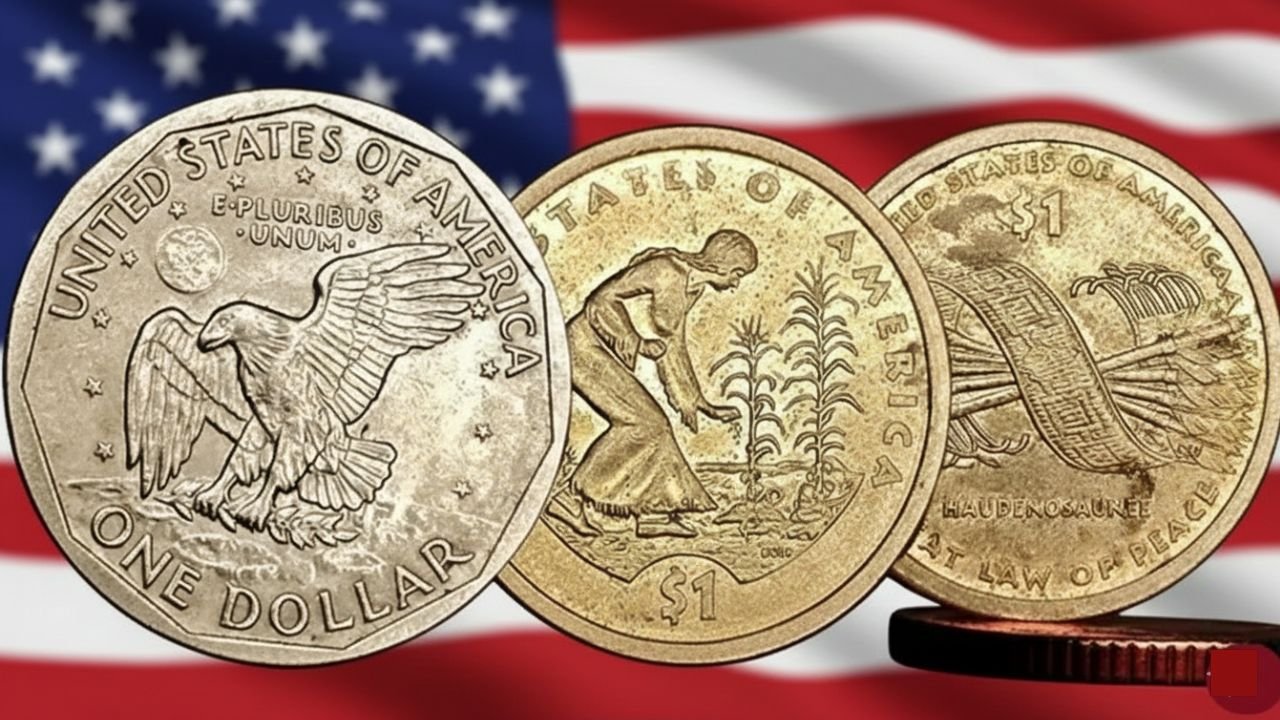
Ultra-Rare U.S. Dollar Coins : For numismatic enthusiasts and history buffs alike, rare U.S. dollar coins represent more than currency—they are miniature pieces of art, historical artifacts, and tangible connections to America’s past. The pursuit of these coins is a journey through time, offering insights into the nation’s economic evolution, artistic trends, and moments of scarcity that transform ordinary minted metal into extraordinary treasures. This guide explores the captivating realm of high-value dollar coins, focusing on their stories, significance, and the vibrant modern market that surrounds them.
Understanding the Historical Journey of U.S. Dollar Coins
The story of the American dollar coin begins in the late 18th century, shortly after the nation’s founding. The first silver dollars, minted in 1794, were more than mere money; they were a statement of economic independence and sovereignty. Over the decades, designs evolved with the nation—from the early Flowing Hair and Draped Bust motifs to the iconic Seated Liberty, Morgan, and Peace dollars. Each series reflects the artistic style and historical context of its era, with certain issues gaining legendary status due to remarkably low mintages, historical circumstances, or survival against the odds. Collecting these coins is, in many ways, a form of preserving national heritage.
Key Factors That Create Extraordinary Value
Several interconnected elements elevate a coin from common currency to a coveted collector’s item. Extreme scarcity is often the primary driver, whether due to limited original production, government-mandated melts, or natural attrition over time. Historical significance plays a powerful role; coins linked to pivotal events or transitional periods carry added weight. The condition and preservation of a coin are critical, as examples in mint-state or proof condition are exponentially rarer than circulated pieces. Finally, a compelling provenance or narrative—such as a famous mint error, a unique striking, or a history of ownership by notable collectors—can captivate the imagination and solidify a coin’s status as a treasure.

Notable Rare U.S. Coin Varieties An Overview Table
The following table highlights some of the most celebrated and valuable U.S. coin rarities, including high-denomination pieces often discussed alongside dollar coins.
| Coin Name (Date & Variety) | Mintage / Known Survivors | Primary Reason for Rarity | Notable Auction Result (Approximate) | Historical Context & Notes |
|---|---|---|---|---|
| 1794 Flowing Hair Dollar | Approximately 1,750 struck | First year of U.S. silver dollar production; limited survival. | $12 million+ (2013) | Represents the dawn of U.S. silver coinage. Superb specimens are pinnacle collectibles. |
| 1804 Draped Bust Dollar | 15 known (Class I originals) | Struck circa 1834-1835 for diplomatic gifts, not in 1804. | $7.68 million (2021) | Known as the “King of American Coins.” Created for presentation sets to Asian leaders. |
| 1885 Trade Dollar Proof | 5 known | Proof-only issue after commercial coinage was halted in 1878. | $3.96 million (2019) | Struck solely for collectors following the demonetization of the Trade Dollar. |
| 1933 Double Eagle ($20) | 1 legally held private specimen | Nearly all coins of this date were melted after the gold standard ended. | $18.87 million (2021) | Subject of a famous legal case. Symbolizes the end of circulating gold currency. |
| 1870-S Seated Liberty Dollar | 1 known specimen | Unique; believed struck for the cornerstone of the San Francisco Mint. | Not publicly sold | A singular coin with a mysterious purpose, tied to the mint’s construction. |
| 1895 Morgan Dollar (Proof) | 880 proofs minted | No business strikes confirmed for circulation; proofs are the only survivors. | $84,000+ for high-grade proofs | Called the “King of Morgan Dollars” due to its proof-only status. |
The Intriguing Realm of Mint Errors
Error coins occupy a special niche in numismatics, capturing moments where the minting process deviated from the norm. These accidental issues are highly sought after for their uniqueness. Notable error types include double dies (showing a duplicated, offset design), off-center strikes (where the coin blank was misaligned), and wrong planchet errors (where a design is struck on a blank intended for another denomination). Such errors on older dollar coins are particularly valuable, as they combine the rarity of the issue with the uniqueness of the mistake, offering a fascinating glimpse into the production challenges of the past.

Modern Market Trends and Collecting Insights
The market for rare U.S. coins in the mid-2020s is characterized by strong, sustained demand for key rarities, with prices for top-tier specimens remaining robust. The widespread use of professional grading services (like PCGS and NGC) has standardized authentication and condition assessment, building greater trust in high-value transactions. Online auctions and digital platforms have globalized collecting, allowing enthusiasts worldwide to participate. There’s also a growing emphasis on coins with documented pedigrees that link them to historic collections, adding a layer of narrative that enhances their appeal.
Essential Advice for New Collectors
Embarking on a numismatic journey can be both exciting and rewarding. Here are some foundational tips:

- Prioritize Education: Invest time in learning about designs, mint marks, key dates, and varieties. Utilize reputable books, museum collections, and numismatic websites.
- Examine Carefully: When inspecting a coin, use good lighting and a magnifier to assess surface details, strike quality, and potential wear.
- Seek Expert Opinion: For any potentially valuable find, consult with established, reputable dealers or consider submitting the coin to a grading service for authentication.
- Stay Informed: Follow major auction results and industry publications to understand current market values and trends.
- Enjoy the Hunt: History can surface anywhere—from inherited collections to estate sales. The process of discovery is a significant part of the collection’s joy.
Frequently Asked Questions (FAQ)
Q: What is the most valuable U.S. dollar coin ever sold?
A: The 1794 Flowing Hair Dollar holds the record for a dollar coin, selling for over $12 million. However, the 1933 Double Eagle ($20 gold piece) is the most valuable U.S. coin overall, fetching nearly $19 million.
Q: I found an old dollar coin. How can I tell if it’s rare?
A: Check the date, mint mark (letter indicating where it was minted, like “CC” for Carson City), and condition. Compare it to online resources or price guides for key dates. For a serious assessment, have it examined by a professional coin dealer or grading service.

Q: What does “proof” mean versus “business strike”?
A: Proof coins are specially made with polished dies and blanks for collectors, featuring mirror-like surfaces and sharp details. Business strikes are coins produced for general circulation. Proofs of rare dates are often much scarcer.
Q: Are modern dollar coins (like Presidential or Sacagawea dollars) valuable?
A: Most modern circulating dollar coins are worth face value. Exceptions can include error coins, certain proof editions, or coins with unusual finishes (like matte proofs) sold directly to collectors.
Q: How important is coin grading for collecting?
A: For rare coins, grading is essential. It objectively defines a coin’s condition on a 1-70 scale, which directly correlates to its market value. Coins encapsulated by major grading services are also protected and their authenticity is verified.
The Enduring Appeal of Numismatics
Collecting rare dollar coins is ultimately a pursuit that blends historical inquiry, aesthetic appreciation, and the thrill of discovery. Each coin is a physical fragment of history, having passed through the hands of a nation and its people. Whether one is drawn to the artistry of the design, the intrigue of a coin’s backstory, or the careful study of minting techniques, the true reward lies in the deeper connection to America’s rich narrative. In preserving these pieces, collectors become stewards of a legacy etched in metal—a hobby that offers endless learning and a profound sense of continuity with the past.
