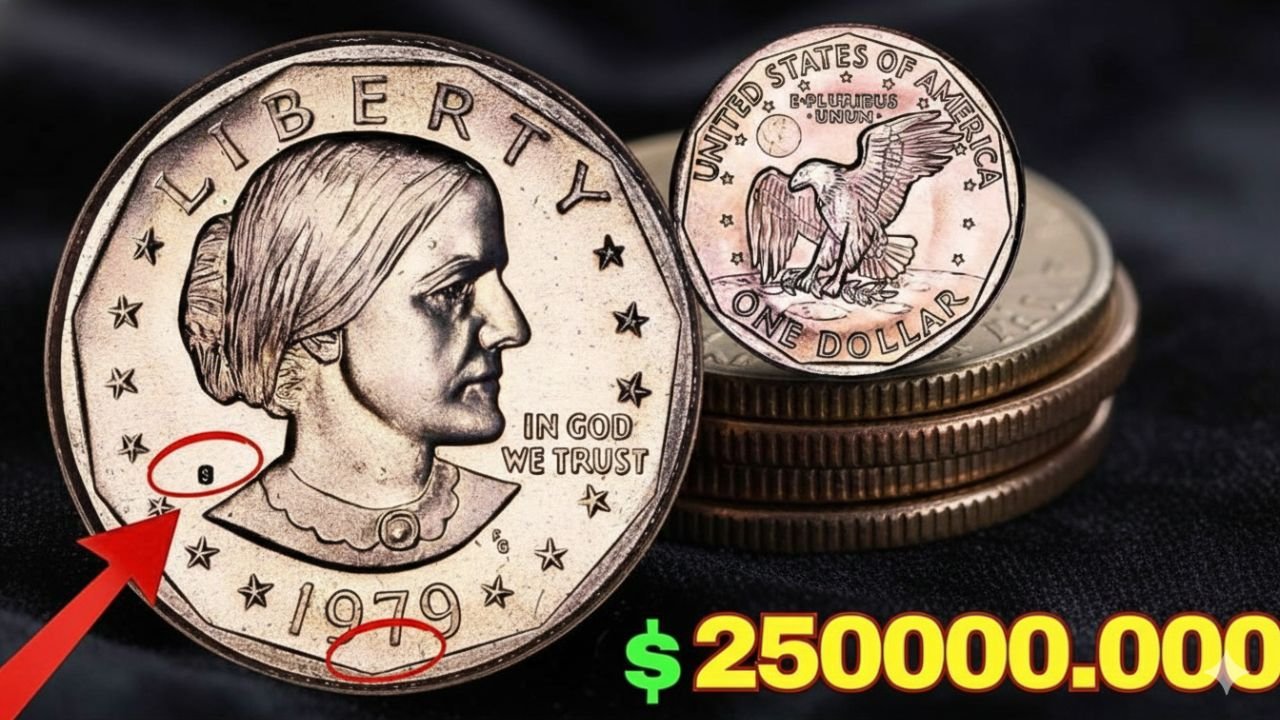
Valuable U.S. Coins : Coin collecting is a deeply human endeavor—a tangible connection to our shared past, artistic achievement, and cultural milestones. It’s a hobby driven by curiosity and the profound stories embedded in small metal discs. Beyond any potential financial value, coins serve as miniature time capsules. This article explores three such coins, each from a distinct era, that are particularly prized for their historical narrative and numismatic significance.
The 1976 Bicentennial Quarter A Nation’s Birthday Celebration
Issued to mark the 200th anniversary of American independence, the Bicentennial Quarter is a piece of living history. For a whole year, it replaced the familiar eagle on the reverse with a colonial drummer, a torch, and a ring of thirteen stars—a direct homage to the spirit of 1776. While hundreds of millions were minted for general circulation, making most examples worth face value, the true intrigue for collectors lies in the special editions. A subset was struck in a 40% silver composition for collector sets, distinguishing them from the standard copper-nickel clad versions. Additionally, examples with striking errors or those in pristine, uncirculated condition carry a notable premium. This quarter transcends its role as currency; it is a widespread, accessible reminder of a national jubilee, inviting everyone to hold a piece of that commemorative year in their pocket.
Comparative Information Table
| Feature | 1976 Bicentennial Quarter | Maya Angelou Quarter | 1909-S VDB Lincoln Penny |
|---|---|---|---|
| Year of Issue | 1976 | 2022 | 1909 |
| Mint Marks | D (Denver), S (San Francisco), P (Philadelphia) | P (Philadelphia), D (Denver), S (San Francisco) | S (San Francisco) |
| Key Designer | Jack L. Ahr (reverse) | Emily Damstra (reverse) | Victor David Brenner (obverse & reverse) |
| Composition | Copper-Nickel Clad (standard); 40% Silver (special sets) | Copper-Nickel Clad | 95% Copper, 5% Tin and Zinc |
| Face Value | $0.25 | $0.25 | $0.01 |
| Primary Significance | Commemorates U.S. Independence Bicentennial | First in American Women Quarters Program | First Lincoln cent; Controversial initial design |
| Value Range (Approx.) | Circulated: $0.25 – $1. Uncirculated/Silver: $5 – $20+. Errors can be higher. | Face value to $2-3 for uncirculated. Rolls/Bags may carry a small premium. | Varies heavily by condition: $600 – $2,000+. Superb grades can exceed $10,000. |
The Maya Angelou Quarter Honoring a Voice for the Ages
Launched in 2022 as the inaugural coin in the American Women Quarters Program, this issue represents a modern chapter in U.S. minting. It celebrates Dr. Maya Angelou—memoirist, poet, and pivotal figure in the Civil Rights Movement. The design is powerfully evocative: her figure with uplifted arms, a bird in flight, and a rising sun, capturing the themes of freedom, hope, and resilience that permeate her work. While its monetary value as a circulating coin is modest, its cultural value is immense. It signifies a national commitment to recognizing the diverse, often overlooked women who have shaped the country’s story. For collectors, it is a first-of-its-kind tribute, a meaningful artifact of contemporary social progress, and a likely keystone for collections focused on 21st-century commemoratives.
The 1909-S VDB Lincoln Cent A Controversial Beginning
The 1909-S VDB Lincoln penny is a cornerstone of American numismatics, beloved for its perfect storm of rarity and historical drama. It was the first coin to feature a real U.S. president, Abraham Lincoln, breaking tradition on the 100th anniversary of his birth. The designer, Victor David Brenner, placed his initials “VDB” prominently on the reverse. This was deemed too conspicuous by the public and officials, leading to their abrupt removal midway through the minting year. The San Francisco mint (“S”) produced the fewest of these original versions. Consequently, this coin represents the very brief initial design of a series that would become a century-long staple. Its value is directly tied to its scarcity and its status as a fascinating footnote in minting history, where a designer’s signature sparked a public debate that collectors now cherish.
Frequently Asked Questions
Q: I found a regular 1976 quarter in my change. Is it worth a lot?
A: Most circulated Bicentennial Quarters are worth their face value of 25 cents, as they were minted in enormous quantities. Value increases are typically for uncirculated examples, those in special silver proof sets, or coins with unique minting errors.
Q: Is the Maya Angelou Quarter made of silver?
A: No, the circulating Maya Angelou Quarter is made of the standard copper-nickel blend. The U.S. Mint does sell .999 fine silver versions directly to collectors, but these are not found in everyday circulation.
Q: What does “VDB” stand for, and where is it on the 1909 penny?
A: VDB stands for Victor David Brenner, the coin’s designer. On the rare 1909-S VDB penny, his initials appear in large letters at the bottom of the reverse (tails) side. They were quickly reduced in size and moved to a less prominent location.
Q: How can I safely start collecting these coins?
A: Begin by educating yourself using reputable resources from numismatic societies or books. Handle coins carefully by the edges. For valuable coins like the 1909-S VDB, consider purchasing coins already graded and encapsulated by professional services like PCGS or NGC. Always buy from established, reputable dealers.
Q: What is the best part about coin collecting as a hobby?
A: Beyond potential investment, coin collecting offers a unique, tactile link to history, art, and economics. It fosters lifelong learning, patience, and a sense of community with other collectors. The thrill of the hunt—whether in pocket change or at a coin show—is a timeless joy.
Collecting coins is ultimately about preserving stories. Whether it’s the national pride of the Bicentennial, the cultural recognition of Maya Angelou, or the historical intrigue of the first Lincoln cent, these pieces allow us to safeguard and appreciate the multifaceted narrative of a nation, one coin at a time.
